![[HERO] Growing Up With a Sociopathic Mother: The Hidden Reality Behind the Cycle](https://cdn.marblism.com/gnLFxpTEGjh.webp)
If you ever felt a little… relieved when something bad happened to you, I get it. And I hate that I get it.
Because in my house, bad news meant attention. Bad news meant people looked at you like you mattered. Bad news meant you might get a small, temporary version of “love,” except it wasn’t love—it was sympathy. And I didn’t know there was a difference yet.
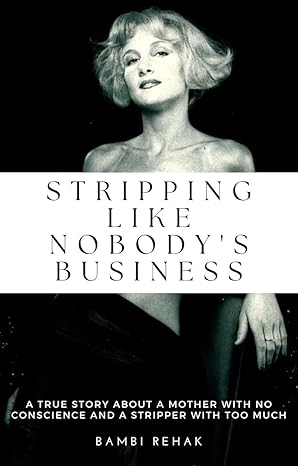
In Stripping Like Nobody’s Business, I spent five decades trying to figure out why my childhood felt like a training program I never signed up for. Not “how to be loved.” More like: how to be a Victim/Martyr, because that was the only identity my mother respected. The only one that got fed.
So yeah—trouble became the entry fee. If I had pain, people might stay. If I didn’t, I was invisible.
The Victim/Martyr Training
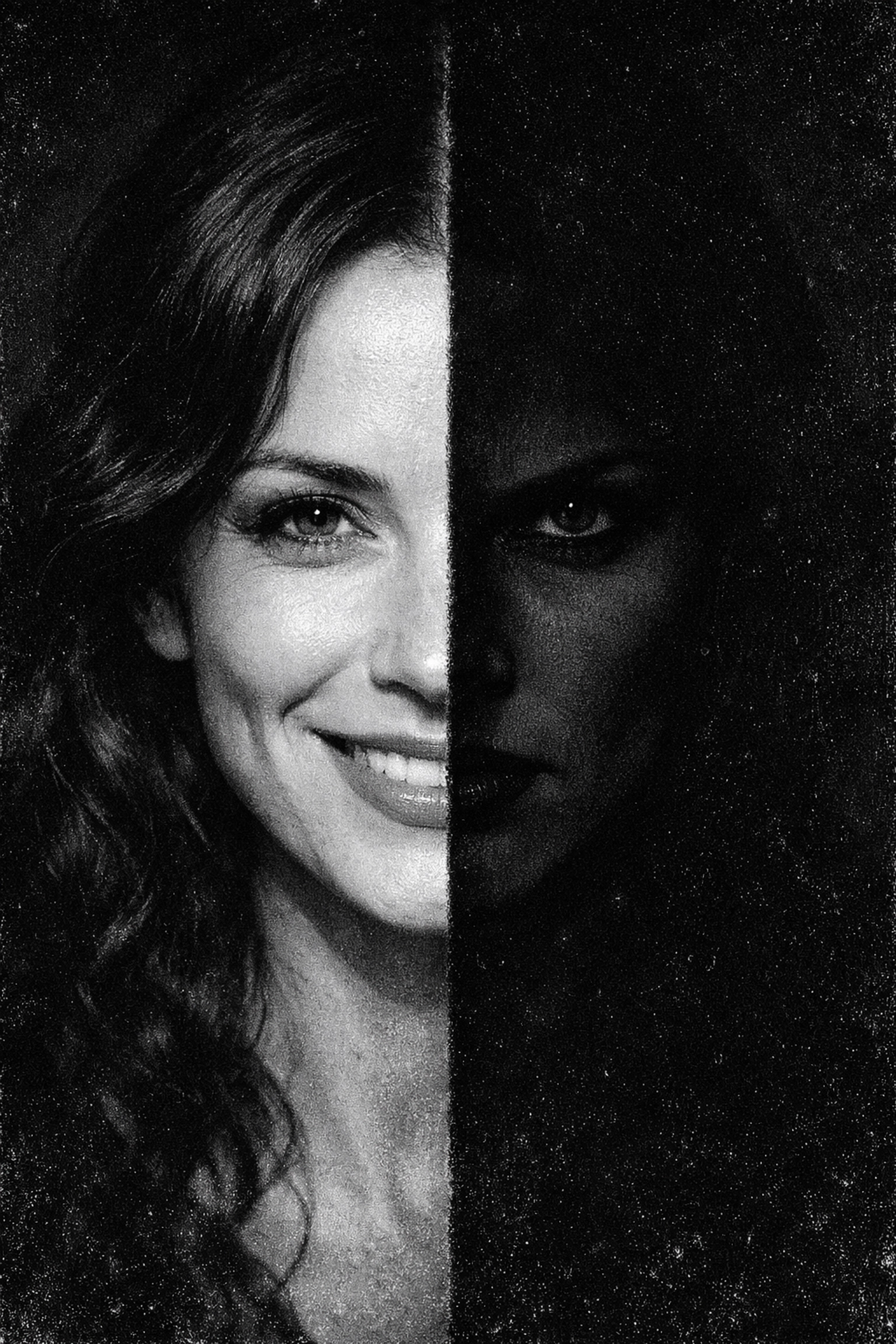
Let me save you a decade of therapy: there was no “mask.” No charming public version. She was hateful to everyone, across the board—and she was never nice to me. Not once. No “the neighbors got the good one.” There was just her. Full-time contempt.
What she did have was a role she lived in: Victim/Martyr. Like chainmail. Like a religion. And she taught it to me like it was the only way to be seen.
The training was simple:
If you’re suffering, people look.
If people look, you matter.
If you matter, maybe you get something that resembles love.
I didn’t know unconditional love existed. I only knew the kind you earn. Conditional love. Pay-to-play love. The kind where you hand over your pain like a cover charge and hope someone lets you inside.
The Paradox: I Felt Better When Things Got Worse
That’s how twisted it got. When something bad happened, part of me felt… relieved. Lighter.
Not because I enjoyed pain. Because pain came with a reason people “had to” care. It gave me a story. Proof. A bruise I could point to without sounding dramatic. And I confused that softness in someone’s face for love.
If nothing was wrong, I didn’t know what I was supposed to be.
Just me? With no crisis? Who would bother?
Yeah. Dark. Also absurd. Also true.
The Club: Crying for Cash
Then I became a stripper and the universe basically said, “Oh good, you found an industry that pays in your native currency.”
In the club, sob stories made money. Literally. Tears-to-dollars. I wasn’t just dancing. I was selling the thing I’d been trained to sell since childhood: my suffering.
Every time a sad story turned into a bigger tip, it hit like validation:
See? Your pain is worth something.
Crying for cash felt like proof that I mattered. If I was hurting, I was valuable. If I was okay, I was forgettable. (Bambi does everything wrong, in case you’re new here.)
The Truth (And Why I’m Writing This)
People ask why I wrote Stripping Like Nobody’s Business. Why air family secrets. Why not “move on.”
Because I spent most of my life mistaking sympathy for love. That’s the truth. Not revenge.
Sympathy isn’t love. It’s not steady. It’s not safe. It doesn’t hold you when you’re not bleeding. But it was all I was given, so it became what I chased—at home, in relationships, and yes, in a strip club where my pain literally paid rent.
Writing this is me finally saying: unconditional love exists. I just wasn’t raised with it. I was raised with a price tag on tenderness.
If you want the full story—five decades, three acts, horror with punchlines, and the unvarnished stripping-life details polite society pretends don’t exist—it’s all in the book. Fair warning: it’s not for the faint of heart. But neither was learning the difference.