Dark Memoir vs Trauma Memoir: Which Type of Story Will Hook You (And Why It Matters)
![[HERO] Dark Memoir vs Trauma Memoir: Which Type of Story Will Hook You (And Why It Matters)](https://cdn.marblism.com/pfEMLxwiJWB.webp)
So you finished Educated or The Glass Castle and now you’re wandering through Amazon at 2 AM looking for something that hits the same way. You want the truth, the messy, uncomfortable, “did that really happen” kind of truth. But here’s the thing nobody tells you: not all memoirs about hard shit are created equal.
There’s a difference between a dark memoir and a trauma memoir, and understanding which one you’re actually craving will save you from rage-returning books or feeling weirdly disappointed when a five-star memoir leaves you cold.
What Even Is a Dark Memoir?
A dark memoir is the literary equivalent of true crime without the murder trial. It’s the stuff that happens in houses nobody looks inside. These books don’t shy away from the shocking, the taboo, or the things polite people pretend don’t exist, abuse, addiction, sex work, violence, sociopathic parents who probably shouldn’t have had kids.

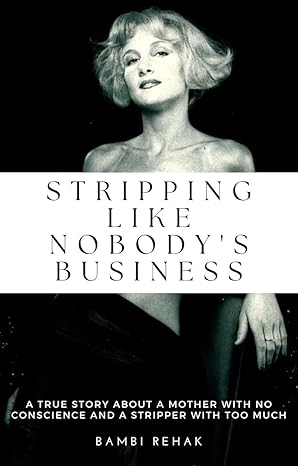
Dark memoirs answer the question: “What happened?” They lean into the disturbing details. They’re not trying to make you comfortable. Books like Stripping Like Nobody’s Business fall squarely here, it’s about growing up with a sociopathic mother, childhood trauma that doesn’t fit into neat therapy soundbites, and eventually stripping as a survival strategy, not some coming-of-age awakening.
The key word is dark. These narratives don’t apologize for being uncomfortable. They don’t wrap the hard stuff in metaphor or skip over the parts that make readers squirm. If you want to know what it’s actually like to live through the kinds of experiences people whisper about, you’re looking for a dark memoir.
Trauma Memoir: The Psychology Behind the Pain
A trauma memoir, on the other hand, focuses less on shock value and more on what it did to the person. The “how it affected me” rather than just “what happened.” These books are about processing, surviving, and sometimes, but not always, healing.
Trauma memoirs might cover the same events as dark memoirs (abuse, neglect, addiction), but the lens shifts. The narrative architecture is built around psychological impact, coping mechanisms, and the messy, nonlinear path through recovery. Think The Body Keeps the Score but in first-person narrative form.
Here’s what makes trauma memoirs work: processed trauma, not raw dumping. According to writing professionals who’ve worked with memoir authors, raw, unprocessed trauma doesn’t hook readers, it just overwhelms them. But trauma that’s been lived with, reflected on, and integrated into someone’s understanding of themselves? That becomes wisdom worth reading.
The difference matters because readers connect with trauma memoirs through emotional pacing, writers use narrative distance, scene breaks, tense changes, and symbolic representation to control how the hard stuff lands. You’re not getting hit with a fire hose of pain; you’re being guided through it.
The Overlap (And Why It Confuses Everyone)
Here’s where it gets messy: most powerful memoirs about difficult subjects live in the overlap. Educated is both dark (abusive father, dangerous childhood, family that rejects medical care) and trauma-focused (Tara’s journey to understand how her upbringing warped her sense of reality). The Glass Castle does the same thing, Jeannette Walls doesn’t just recount her chaotic childhood, she examines how it shaped her relationship with her parents even as an adult.

Stripping Like Nobody’s Business operates in that overlap too. It’s dark as hell, sociopathic mother, childhood that reads like a psychological thriller, the stripping industry presented without the Hollywood gloss. But it’s also about the psychological aftermath, the addiction that followed, and what it takes to survive people who were supposed to protect you.
The best memoirs don’t choose one lane. They give you the unflinching “what happened” (dark memoir) alongside the honest “and here’s what I’m still unpacking about it” (trauma memoir).
Which Type Actually Hooks You?
Be honest with yourself about what you’re looking for. Some readers want the shock factor, they want to peek into lives so different from their own that it feels almost voyeuristic. Others want the processing, the insight, the “oh my god, someone finally said what I’ve been feeling.”
You’re probably looking for a dark memoir if:
- You’re drawn to true crime and can’t-look-away stories
- You want the raw details, not the sanitized version
- You’re tired of memoirs that wrap everything in inspiration and redemption
- You like books that make other people uncomfortable
- You appreciate authors who don’t soften the edges
You’re probably looking for a trauma memoir if:
- You’re processing your own difficult past and need the “me too” validation
- You want to understand the psychology behind survival
- You care more about the internal journey than the external events
- You’re interested in how people make meaning from suffering
- You need books that feel like therapy without the therapy-speak
What Readers Actually Want (Spoiler: It’s Both)
Here’s the truth most memoir readers won’t admit: they want both. They want the dark, unvarnished reality and the processed wisdom that comes from surviving it. They want to be shocked, uncomfortable, and validated all at once.
That’s why memoirs like Educated became massive bestsellers: they deliver on both fronts. Tara Westover doesn’t spare you the disturbing details of her childhood, but she’s also done the work of understanding how it shaped her. You get the darkness and the processing, the “holy shit” moments and the psychological insight.
When readers say they want “memoirs like Educated,” what they’re really asking for is books that don’t choose between being dark and being thoughtful. They want authors brave enough to tell the whole truth: the horrifying parts and what those parts did to them long-term.
Why the Distinction Actually Matters for Readers
Understanding whether you’re reading a dark memoir or a trauma memoir changes your expectations. If you pick up a dark memoir expecting a healing journey, you’ll be disappointed when it doesn’t arrive. If you grab a trauma memoir thinking you’ll get shocking revelations, you might find it too introspective.
Books like Stripping Like Nobody’s Business are upfront about what they are: dark, unflinching, and honest about childhood trauma, dysfunctional families, and the stripping industry. But they’re also trauma memoirs in the sense that they examine why things happened and how the author survived them. You get both the disturbing “what” and the psychological “how.”
That combination: dark content with trauma processing: is what hooks readers who devour books about dysfunctional families, abusive parents, and addiction recovery. They’re not looking for inspiration porn or redemption narratives. They want truth, even when it’s ugly.
The Bottom Line
Dark memoirs show you what happened. Trauma memoirs show you what it did. The best ones do both without flinching.
If you loved The Glass Castle or Educated, you’re probably not looking for gentle, uplifting stories. You want memoirs that respect your intelligence enough to tell the truth: about sociopathic parents, childhood that didn’t feel like childhood, addiction that wasn’t romantic, and survival that didn’t come with a neat bow.
The memoir you’re looking for exists in that uncomfortable space between “I can’t believe this happened” and “I can’t believe I’m not alone in this.” It’s dark because it refuses to lie about what happened. It’s a trauma memoir because it’s honest about what those experiences cost.
That’s the story that hooks you. Not one or the other: both at once, refusing to apologize for being exactly what it is.